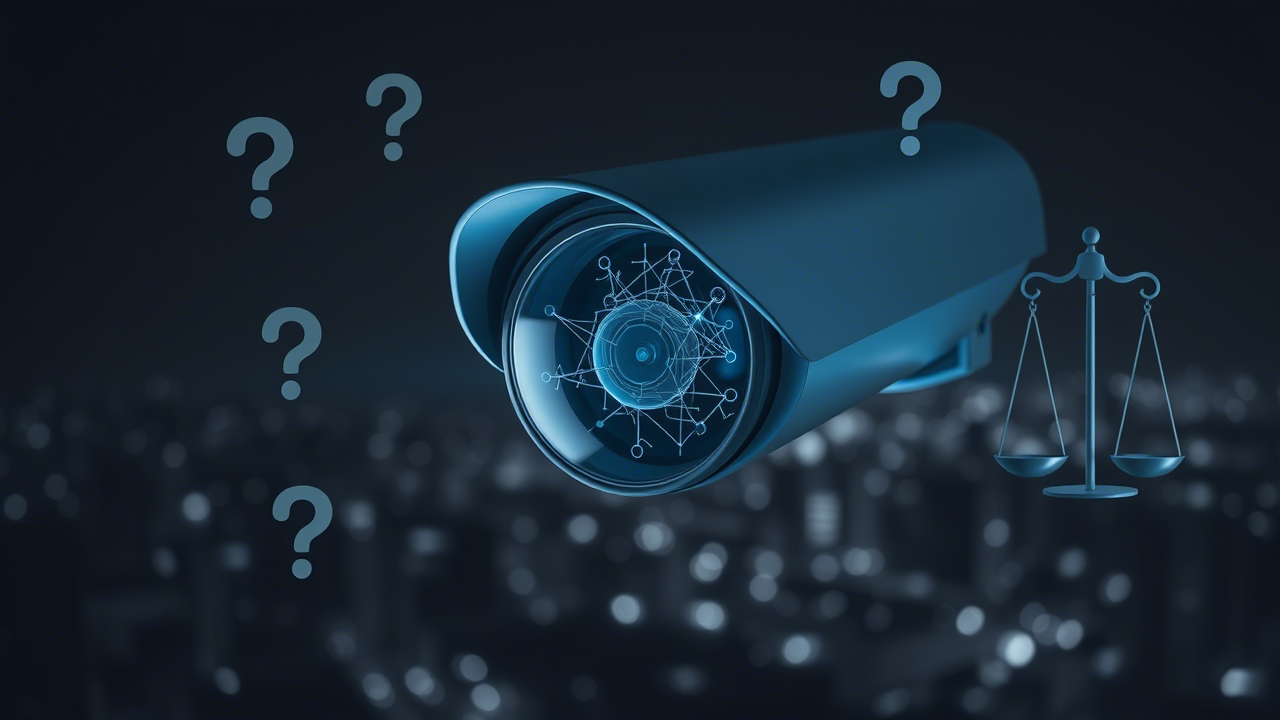
What Are the Ethical Considerations of Using DeepSeek in Surveillance Technologies?
In recent years, the rapid advancement of artificial intelligence (AI) has revolutionized various industries, including surveillance technologies. One such AI innovation is DeepSeek, a sophisticated system designed to analyze and interpret vast amounts of data in real-time. While DeepSeek offers immense potential for enhancing security and efficiency, its use in surveillance raises significant ethical questions. What are the ethical considerations of using DeepSeek in surveillance technologies? This blog explores the key concerns surrounding its deployment and the implications for privacy, accountability, and societal trust.
The Ethical Considerations of Using DeepSeek in Surveillance Technologies
The Role of DeepSeek in Modern Surveillance
DeepSeek leverages advanced machine learning algorithms to process and analyze data from multiple sources, such as CCTV cameras, social media, and IoT devices. Its ability to detect patterns, recognize faces, and predict behaviors makes it a powerful tool for law enforcement, government agencies, and private organizations. For instance, DeepSeek can help identify potential threats in crowded spaces or monitor traffic flow in smart cities. However, the very features that make it effective also pose ethical challenges.
According to a report by the Electronic Frontier Foundation (EFF), the use of AI in surveillance often blurs the line between public safety and individual privacy. As DeepSeek becomes more integrated into surveillance systems, it is crucial to address these ethical dilemmas to ensure its responsible use.
Privacy Concerns: A Core Ethical Issue

One of the most pressing ethical considerations of using DeepSeek in surveillance technologies is the potential invasion of privacy. The system’s ability to collect and analyze personal data on a massive scale raises concerns about how this information is stored, accessed, and shared. For example, facial recognition technology, a key component of DeepSeek, can track individuals without their consent, leading to a loss of anonymity in public spaces.
The American Civil Liberties Union (ACLU) has highlighted cases where surveillance technologies have been used to disproportionately target marginalized communities. If DeepSeek is deployed without proper safeguards, it could exacerbate existing biases and further erode trust in public institutions.
Bias and Discrimination in AI Algorithms
Another ethical concern is the potential for bias in DeepSeek’s algorithms. AI systems are only as good as the data they are trained on, and if the training data contains biases, the system may produce discriminatory outcomes. For instance, studies have shown that facial recognition technologies often have higher error rates for people of color, leading to false identifications and wrongful accusations.
The AI Now Institute emphasizes the need for transparency and accountability in AI systems to prevent such biases. Developers of DeepSeek must ensure that their algorithms are regularly audited and updated to minimize the risk of discrimination.
Accountability and Transparency
The use of DeepSeek in surveillance technologies also raises questions about accountability. Who is responsible if the system makes a mistake or is used for unethical purposes? Unlike human operators, AI systems operate autonomously, making it difficult to assign blame when things go wrong.
To address this issue, organizations must establish clear guidelines for the use of DeepSeek and ensure that human oversight is maintained. The Future of Life Institute advocates for the development of ethical frameworks that prioritize transparency and accountability in AI deployment.
The Risk of Mass Surveillance
One of the most significant ethical considerations of using DeepSeek in surveillance technologies is the risk of mass surveillance. When combined with other data collection tools, DeepSeek can create a comprehensive profile of individuals, tracking their movements, behaviors, and interactions. This level of surveillance can have a chilling effect on freedom of expression and assembly, as people may fear being monitored for their actions.
The United Nations Human Rights Council has warned against the dangers of unchecked surveillance, stating that it can undermine democratic values and human rights. Policymakers must strike a balance between leveraging DeepSeek for public safety and protecting individual freedoms.
Balancing Innovation and Ethics
While the ethical considerations of using DeepSeek in surveillance technologies are complex, they are not insurmountable. By adopting a proactive approach, stakeholders can harness the benefits of DeepSeek while minimizing its risks. This includes implementing robust data protection measures, ensuring algorithmic fairness, and fostering public dialogue about the role of AI in society.
Organizations like the Partnership on AI are working to promote responsible AI practices and encourage collaboration between technologists, ethicists, and policymakers. Their efforts serve as a reminder that innovation and ethics can go hand in hand.
Conclusion
The integration of DeepSeek into surveillance technologies offers exciting possibilities for enhancing security and efficiency. However, it also raises critical ethical questions that must be addressed to ensure its responsible use. What are the ethical considerations of using DeepSeek in surveillance technologies? From privacy concerns and algorithmic bias to accountability and the risk of mass surveillance, these issues highlight the need for a balanced approach that prioritizes both innovation and ethics.
As we continue to explore the potential of AI, it is essential to engage in ongoing discussions about its impact on society. By doing so, we can create a future where technologies like DeepSeek are used to empower, rather than exploit, individuals and communities.
FAQs on “What Are the Ethical Considerations of Using DeepSeek in Surveillance Technologies?”
- What is DeepSeek?
DeepSeek is an advanced AI system used in surveillance technologies to analyze data, recognize patterns, and predict behaviors in real-time. - How does DeepSeek impact privacy?
DeepSeek raises privacy concerns by collecting and analyzing personal data, often without explicit consent, potentially leading to mass surveillance. - Can DeepSeek algorithms be biased?
Yes, DeepSeek’s algorithms can inherit biases from training data, leading to discriminatory outcomes, especially in facial recognition. - Who is accountable for DeepSeek’s decisions?
Accountability is a challenge, as DeepSeek operates autonomously, requiring clear guidelines and human oversight to address errors or misuse. - How can ethical concerns about DeepSeek be addressed?
Ethical concerns can be mitigated through transparency, regular audits, bias mitigation, and robust data protection measures.